

Choosing the Best Asphalt Shingle Types: Architectural, 3 Tab, and Laminated Options for Durable Roofing

When selecting roofing materials, homeowners face the crucial decision of choosing the right type of asphalt shingles. This choice can significantly influence the durability, aesthetics, and overall value of a home. This article will explore the various types of asphalt shingles available, including architectural, 3-tab, and laminated options, along with their unique characteristics, advantages, and contexts in which they are best used. The aim is to provide a comprehensive overview that empowers homeowners to make informed choices tailored to their specific needs. Throughout this discussion, we will highlight key aspects such as performance factors, climate suitability, and cost considerations that are vital to selection. Additionally, we will delve into installation and maintenance practices that can further enhance the longevity of asphalt shingles.
Architectural Shingles
Architectural shingles are a premium roofing option, renowned for their durability and distinctive layered appearance. These shingles are composed of a fiberglass base and granulated surfaces made from mineral products, giving them enhanced resistance to harsh weather conditions. Homeowners often choose architectural shingles due to their aesthetic appeal, as they come in a wide variety of colors and styles that can complement any architectural design. Additionally, their construction offers superior resistance to water, UV rays, and wind damage compared to standard roofing materials. This quality ensures that they can maintain their appearance and functionality over a longer lifespan.
3-Tab Shingles
3-tab shingles are one of the most commonly used roofing materials, primarily due to their cost-effectiveness and ease of installation. These shingles are lighter and simpler than their architectural counterparts, consisting of a single layer that mimics the appearance of three separate shingles. 3-tab shingles are highly popular among budget-conscious homeowners and are widely available in various colors. While they may offer less durability and wind resistance than architectural shingles, they can be an attractive option for homes in lower-risk climates or as a temporary roofing solution. Their ease of installation can also make them a practical choice for DIY projects, further reducing overall costs.
Laminated Shingles
Laminated shingles, sometimes referred to as dimensional shingles or architectural laminated shingles, provide a stylish and robust roofing option that enhances a home’s curb appeal. These shingles feature a double layer of material, resulting in greater thickness and a varied texture that resembles the look of wood shakes or slate. Their additional layers contribute to improved durability and better impact resistance, making them an excellent choice for areas prone to severe weather events. Furthermore, laminated shingles are available in a wide range of colors and styles, allowing homeowners additional flexibility in design choices. This versatility, combined with their weather resistance, positions them as a favored choice for many homeowners seeking value and aesthetics simultaneously.
How Do Architectural Asphalt Shingles Compare to 3 Tab Shingles?
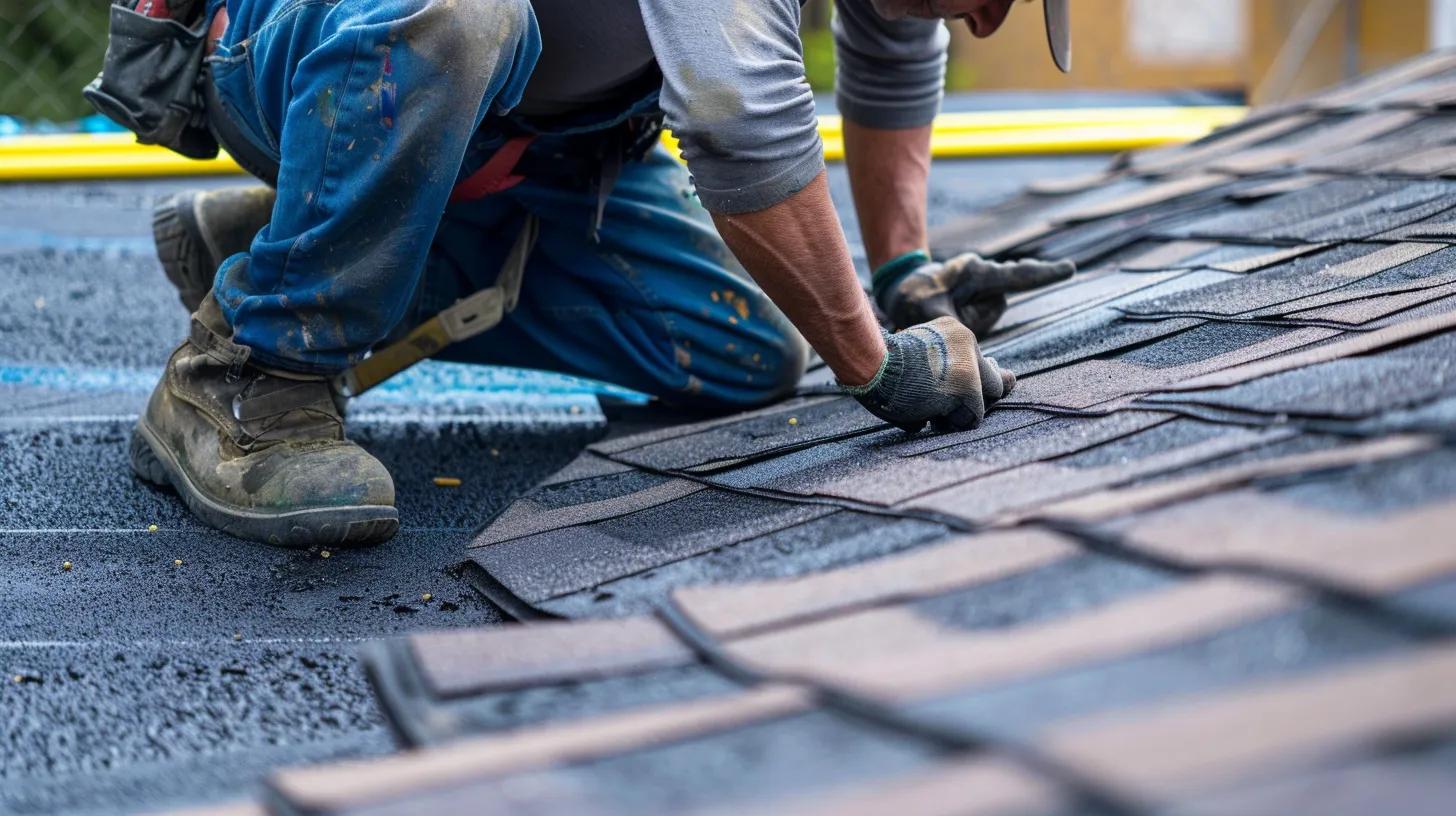
When comparing architectural and 3-tab shingles, there are several critical factors to consider, including durability, cost, and visual appearance. Architectural shingles are known for their superior longevity, often lasting 30 years or more with proper maintenance, while 3-tab shingles typically have a lifespan of around 20 years. This longevity often justifies the higher initial investment in architectural shingles. Additionally, architectural shingles provide a richer, more textured look compared to the flat appearance of 3-tab shingles, which can elevate the overall aesthetic of a home. Homeowners should weigh these factors against their budget and aesthetic preferences when making a decision.
What Are the Benefits of Laminated and Impact-Resistant Shingles?
Laminated and impact-resistant shingles offer distinct advantages for homeowners looking to enhance their roofing durability. These shingles typically feature a heavier construction, which not only adds to their lifespan but also provides additional protection against severe weather conditions, including heavy rain and hail. Manufacturers often design impact-resistant shingles with special materials that can withstand the impact of falling debris, thereby minimizing potential damage and the likelihood of needing repairs. Moreover, selecting impact-resistant shingles may qualify homeowners for discounted premiums on their home insurance, further increasing their value in the long run.
How Do Performance Factors Affect Asphalt Shingle Durability and Lifespan?
Asphalt shingle durability largely hinges on a range of performance factors, including installation quality, material composition, and climatic conditions. A well-executed installation is crucial as it significantly enhances the shingle’s overall efficacy and longevity. For instance, improper staggering of seams can create vulnerabilities for moisture infiltration, leading to premature deterioration. Additionally, high-quality materials not only contribute to the shingles’ strength but also ensure better resistance to UV exposure and temperature fluctuations. Furthermore, the local climate also plays a pivotal role; areas experiencing extreme temperatures or frequent storms may necessitate more robust shingle options to safeguard against the elements.
What Role Does Wind Resistance Play in Shingle Selection?
Wind resistance is a crucial consideration in roofing materials, particularly in regions susceptible to heavy gusts. Asphalt shingles are assigned wind resistance ratings, with architectural shingles typically outperforming 3-tab shingles in this aspect due to their heavier, layered construction. Understanding these ratings can help homeowners select shingles that will withstand local wind conditions without lifting or being damaged. Installation techniques, such as using adequate fasteners and adhering to local building codes, also play an essential role in maximizing wind resistance. Homeowners should ensure that their roofing choices align with the weather patterns prevalent in their area to mitigate future repair needs.
How Does Climate Suitability Influence Asphalt Roofing Durability?
When selecting asphalt shingles, climate suitability is a vital factor influencing their performance and durability. Different shingles perform better under specific environmental conditions. For instance, in regions with heavy snowfall, shingles equipped with enhanced adhesion properties can help prevent ice dams that lead to leaks. Conversely, areas that experience intense sun exposure may benefit from lighter-colored shingles that reflect sunlight, thus reducing heat retention and potential shingle degradation. Ensuring proper ventilation in attics is another critical aspect, as it helps regulate temperature and moisture levels, contributing to the longevity of the roofing materials.
 What Are the Cost and Value Considerations for Different Asphalt Shingle Types?

Understanding the cost and value of different asphalt shingle types is essential for homeowners making roofing decisions. While architectural shingles may have a higher upfront cost, their longevity and reduced maintenance needs may yield more value in the long run. In stark contrast, 3-tab shingles may appear more economical initially, yet their shorter lifespan could lead to more frequent replacements, incurring additional costs over time. Homeowners should consider factors such as insurance premiums, potential energy efficiency of shingles, and overall property aesthetics when assessing value.
How Do Initial Costs Compare Between Architectural and 3 Tab Shingles?
The initial costs associated with architectural and 3-tab shingles often vary significantly. Architectural shingles typically range from 20% to 50% more expensive than 3-tab shingles due to their complex layering and enhanced durability. However, while the upfront investment in architectural shingles may be higher, the extended lifespan and potential energy savings offer a compelling argument for the long-term benefits. Additionally, the ability of architectural shingles to withstand harsher weather conditions can further offset expenses associated with repairs or replacements that may arise from choosing a less durable option.
What Are the Long-Term Maintenance and Replacement Expenses?
Long-term maintenance and replacement expenses for asphalt shingles can differ substantially based on the type selected. Architectural shingles, requiring less frequent replacement due to their durability, can result in lower overall costs compared to 3-tab shingles. Regular maintenance, including inspections and prompt repairs to any damage, can prolong the lifespan of asphalt shingles greatly. Homeowners can expect to perform maintenance every couple of years, such as cleaning gutters and removing debris, which can assist in mitigating long-term costs. Understanding these expenses is essential for budgeting and planning for future roofing needs.
What Are Best Practices for Installation and Maintenance of Asphalt Shingles?
Following best practices for installation and maintenance can greatly enhance the longevity of asphalt shingles. Ensuring that the roofing substrate is dry and free of debris during installation is crucial for optimal bonding. Additionally, using high-quality underlayment beneath shingles can provide extra moisture protection. Homeowners should schedule regular inspections—ideally biannually and after severe weather events—to identify and address any potential issues promptly. Simple maintenance steps, including clearing gutters and trimming overhanging branches that may fall during storms, can extend the lifespan of roofing significantly.
How Should Asphalt Shingles Be Properly Installed?
Proper installation of asphalt shingles begins with selecting the right underlayment, which serves as a barrier against moisture and wind-driven rain. It is crucial to adhere to manufacturer specifications regarding the number of fasteners used; each shingle should have enough fasteners to withstand local wind requirements. Additionally, ensuring that shingles are staggered in a brick-like pattern can help prevent leaks and improve overall aesthetic appeal. Adequate ventilation should also be integrated into the roofing system to prevent heat buildup and moisture accumulation.
What Maintenance Steps Extend Shingle Lifespan?
To extend the lifespan of asphalt shingles, homeowners should prioritize maintenance tasks that address potential issues before they escalate. Scheduling regular inspections can help identify areas of damage, such as cracked or missing shingles, before they lead to leaks. Removing debris from roofs and gutters is essential for preventing moisture accumulation, which can degrade shingles over time. In cases of moss or algae growth, timely cleaning can also mitigate the impacts on shingles, preserving their integrity and appearance.
How Do Environmental and Energy Efficiency Factors Impact Asphalt Shingle Choices?
Environmental considerations and energy efficiency play increasingly significant roles in the selection of asphalt shingles. Many manufacturers now offer shingles made with sustainable materials, which can appeal to eco-conscious homeowners. Additionally, energy-efficient roofing options, such as those featuring reflective granules, can help reduce cooling costs in warmer climates by limiting heat absorption. Such shingles not only reduce energy bills but also contribute to a smaller carbon footprint, enhancing overall home sustainability.
What Are the Benefits of Energy-Efficient Asphalt Shingles?
Energy-efficient asphalt shingles can provide various benefits that resonate with both environmental and economic aspects. By reflecting sunlight, these shingles help lower indoor temperatures during hot months, leading to reduced air conditioning expenses. Additionally, many energy-efficient roofing options are classified as cool roofing materials, which can extend the longevity of roofs by minimizing thermal expansion and contraction. As a result, homeowners may also benefit from potential tax incentives or rebates aimed at promoting energy-efficient practices.