

How to Find and Fix Roof Leaks: Expert Roof Leak Detection and Repair
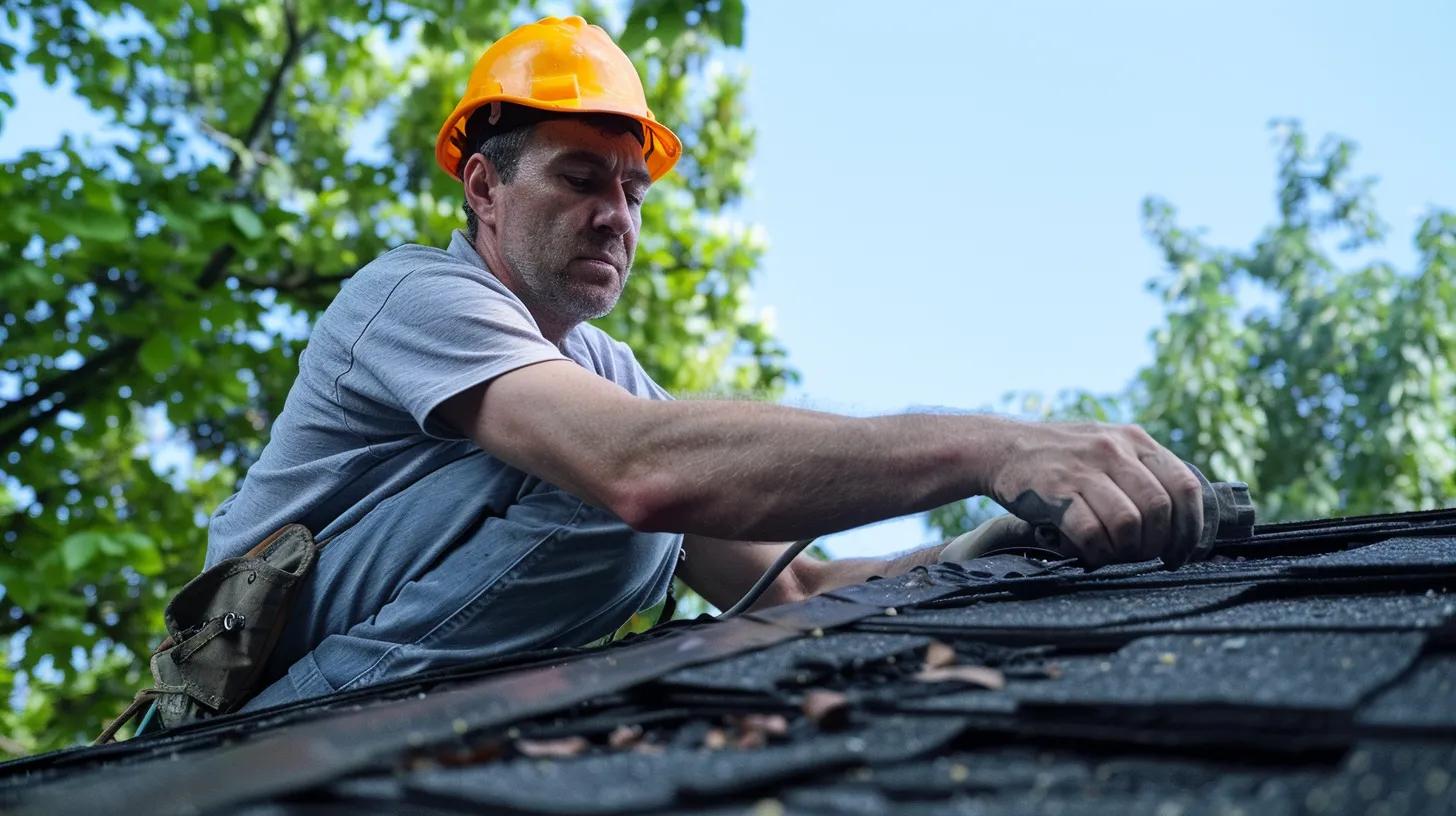
A roof leak is any unwanted water entry through the roofing assembly that can damage insulation, decking, ceilings, and interior finishes; quick detection limits structural and mold damage and reduces repair scope. This guide shows homeowners how to find roof leaks using attic checks, interior tracing, exterior inspection, and controlled water tests so you can stop roof leak progression and decide when to call a professional. We’ll cover common causes in a Toronto context—damaged shingles, flashing failure, clogged gutters, and ice dams—then explain safe temporary fixes and durable repair options for shingles. You will also find clear steps to estimate repair options, compare typical repair types, and request a professional roof leak inspection if needed.
How Can You Identify the Source of a Roof Leak Quickly?
A rapid source identification process combines attic inspection, interior stain tracing, exterior roof checks, and a controlled water test to locate the leak path and stop further damage. Start inside by locating stains and following the highest uphill point of staining; water often travels along the roof decking or framing before dripping, so attic clues are essential. Next, inspect exterior features like vents, skylights, chimneys, valleys, and ridge caps for damaged shingles, loose flashing, or membrane splits that match interior leak locations. Finish with a safe, controlled water test from ground level with a helper if the leak is elusive; this confirms the source while minimising unnecessary rooftop exposure.
What Are the Common Signs of Roof Leaks to Look For?
Common early indicators guide where to look first: interior ceiling stains, sagging plaster or drywall, damp insulation, attic mold, and visible daylight through roof decking all point to active leaks. Exterior signs include missing, cracked, or curled shingles, rusted or separated flashing around chimneys and skylights, pooled water on flat roofs, and clogged gutters leading to overflow. Use these visible clues to prioritize inspections: interior stains often show the leak path while exterior defects suggest the entry point. These signs narrow the search quickly and prepare you for safe diagnostics and temporary mitigation.
What Step-by-Step Methods Help Detect Roof Leaks Effectively?
A prioritized detection checklist helps you move efficiently from easiest to most invasive checks and reduces risk while finding the root cause. First, inspect the attic for wet insulation, stains, or mold and trace stains back toward the roof decking; this locates the water’s downhill path. Second, examine interior ceilings and walls, marking stain edges so you can compare with the roof features outside. Third, perform an exterior scan from ground level for damaged shingles, sealant failures, and compromised flashing around penetrations; if safe, use binoculars. Finally, use a controlled hose test with a helper while someone watches inside to pinpoint the leak, and stop the test when water appears to avoid overexposure.

What Are the Most Common Causes of Roof Leaks in Toronto?
Roof leaks in Toronto commonly stem from weathered shingles, flashing failures, clogged eavestroughs, and ice-dam formation; each cause creates distinct symptoms and repair paths. Seasonal freeze-thaw cycles and wind can lift or crack shingles, exposing underlayment and allowing water to enter along valleys or edges. Flashing around chimneys, skylights, and plumbing vents often corrodes, separates, or is improperly installed, creating direct water paths.
When it comes to identifying and addressing roof leaks, one of the often-overlooked culprits is animal damage. Various critters, such as squirrels, raccoons, and birds, can pose significant risks to the integrity of a roof. These animals may seek shelter in attics or on rooftops, creating entry points that lead to water infiltration. For instance, squirrels have been known to gnaw on roof shingles, particularly at the edges, which can compromise the protective layer and create open gaps for rainwater to penetrate. Raccoons, attracted to the warmth of an attic, can tear apart roofing materials in pursuit of nesting opportunities. Moreover, birds can build nests in gutters and under eaves, blocking proper drainage and causing water to back up and seep into the roof structure.
To mitigate these risks, homeowners must conduct regular inspections, particularly after noticing unusual animal activity near their property. Implementing preventive measures, such as installing physical barriers like screens or netting, can discourage animals from accessing vulnerable parts of the roof. When animal damage is suspected, it’s crucial to address the issue promptly to prevent further deterioration and potential costly repairs. Engaging a professional roof inspector can provide an expert assessment of both visible damage and potential threats, ensuring that any issues are resolved quickly and effectively.
On flat roofs, membrane breaches or ponding water signal membrane failure requires specific flat roof leak detection methods and repair materials. Different causes produce predictable symptoms and require different responses:
How Do Damaged or Missing Shingles Lead to Roof Leaks?
Damaged or missing shingles expose the underlayment and roof decking, allowing wind-driven or pooled water to follow seams into the structure; this mechanism is the most frequent entry point on pitched roofs. Shingle lifting, cracking, broken tabs, or granule erosion reduce the shingle’s ability to shed water, and valleys or edges accelerate infiltration during heavy rain or snowmelt. Small areas of shingle failure may be repaired with spot replacements and sealant, while widespread deterioration typically requires larger-scale re-roofing to restore proper water shedding. Assess whether damage is isolated or systemic by checking multiple roof planes and the attic condition before deciding on the repair scope.
Why Is Flashing Failure a Frequent Cause of Roof Leaks?
Flashing is the metal or membrane that seals roof-to-penetration interfaces, and failure creates direct channels for water to bypass roofing materials and enter the building envelope. Common failure modes include separated seams, corroded metal, failed sealant, and incorrect installation details around chimneys, skylights, and vents. Because flashing interfaces are intersection points, even small gaps allow significant water entry under wind-driven rain; professional flashing replacement ensures correct overlap, sealant, and metal gauge. Where flashing failure is suspected, a targeted repair that restores the flashing system prevents repeat leaks and protects adjacent roofing components.
When Should You Fix a Leaky Roof Yourself and When to Call Professionals?
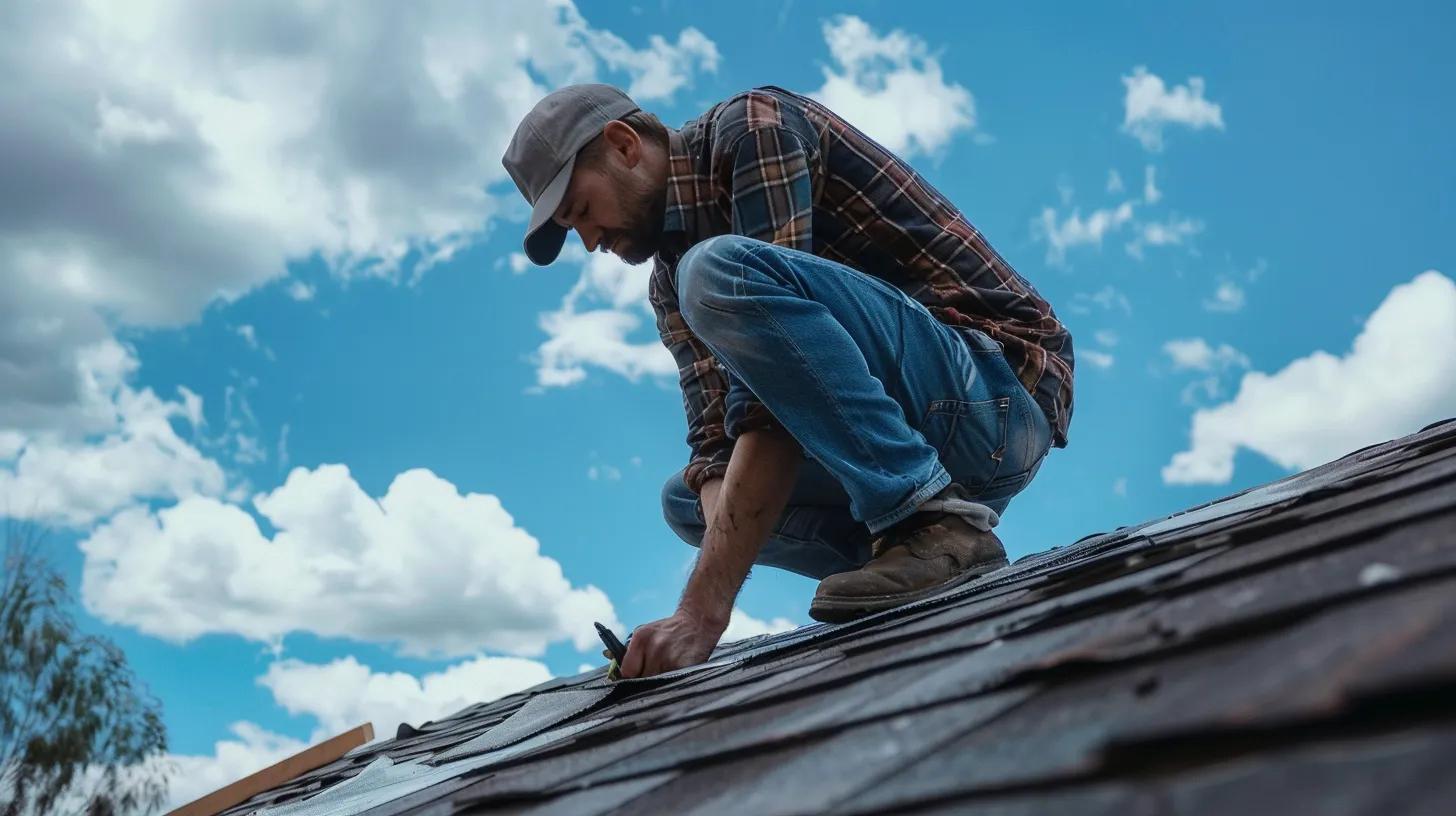
Deciding between DIY and professional repair depends on safety, roof slope and access, the extent of water damage, and roof type—flat roofs and complex penetrations generally need pros. Small, localized shingle repairs on a low-slope, easily accessed roof in calm weather may be a homeowner’s temporary solution, provided you follow safety practices. Larger problems—ongoing drips, attic structural wetting, flashing around chimneys or skylights, flat roof membrane failures, or any roof work in icy/windy conditions—require professional assessment to diagnose concealed damage and address root causes. When in doubt, request a professional roof leak inspection to avoid short-term fixes that can increase long-term repair costs.
Why Choose Professional Roof Leak Repair Services Like E. W. Smith Roofing?
Professional assessment identifies root causes—such as hidden flashing failure or water-damaged decking—so repairs address the leak source and prevent recurrence, delivering long-term value rather than temporary fixes. E. W. Smith Roofing offers free consultations and inspections, backed by a 10-year warranty and specialized flat roof repair capability; these credentials help homeowners obtain an accurate diagnosis and a durable repair plan. Using an experienced local company also streamlines emergency roof leak repair in Toronto and connects you with technicians familiar with regional winter and ice-dam issues. To request an inspection or discuss a repair, homeowners can contact E. W. Smith Roofing by phone at 416-467-7663 for a free consultation and next steps.
How Much Does Roof Leak Repair Cost and What Are Your Options?
Repair costs vary by leak location, roof type, materials, extent of water and structural damage, and seasonal access; typical options range from spot shingle repairs to partial or full replacements and flat roof membrane repairs. Labor and materials dominate cost drivers, while associated interior repairs—drywall, insulation, paint—add to totals when water has progressed into living spaces. Flat roof solutions often involve membrane patching or replacement with materials suitable for the Toronto climate, and specialized flashing work around chimneys or skylights increases complexity. For an accurate, local estimate and to take advantage of warranty-backed repairs, request a free roof leak inspection and consultation to produce a tailored quote.
Before the comparison table, note: the following entries illustrate typical repair approaches and primary cost drivers to help homeowners anticipate options and ask informed questions during an inspection.
This table clarifies choices so homeowners can compare options and decide when a free inspection is needed for an accurate estimate.
What Factors Influence Roof Leak Repair Costs in Toronto?
Local seasonality plays a role: winter ice-dam removal or restricted-access work can increase labor time and temporary protection needs, while summer repairs are generally more accessible. Material choice—architectural shingles, modified bitumen, TPO or EPDM membranes—affects both material and labour costs, as does the need to replace rotten decking or remediate interior water damage. Permits and building code compliance for extensive work may add time and cost, and steep slopes or awkward penetrations raise safety and scaffolding needs. These factors are why a free professional inspection produces the most reliable cost estimate for your specific roof.
To arrange a professional assessment, prepare photos of interior stains and exterior problem areas, note when leaks occur, and describe recent storms or ice events to speed evaluation and triage.
Contact E. W. Smith Roofing by phone at 416-467-7663 to schedule a no-cost inspection and get an on-site diagnosis that includes recommended repairs and a written estimate; their free consultation helps homeowners choose between spot repairs and longer-term solutions backed by a 10-year warranty. During the inspection, expect a review of attic conditions, roof penetrations, flashing, and membrane integrity, plus a clear next-step plan tailored to your roof type and local weather exposure.